
Family reading · Rumi & words
Different words.
A question to explore.
Read together, notice what the characters know, ask what their words mean, and check the evidence before deciding.
Before reading: context for families
One story is a new Daneshkhana adaptation of an episode in Jalal al-Din Rumi’s Masnavi, a work in the Muslim Sufi tradition. The other is an original Daneshkhana story. Both explore a narrow question: different words may name the same thing, but checking is needed to find out.
The Rumi episode has four people wanting grapes under different names. Its later resolution imagines a knowledgeable mediator and connects understanding with spiritual guidance. The cooperative asking, describing and checking in this draft is an added educational ending. Fighting and instructions about deference are omitted. This is an adaptation, not a translation or a complete account of Rumi’s meaning.
Discussion is optional. No child is asked to affirm a belief. These stories do not establish that all opinions, religions or disagreements are equivalent. A family may welcome the literary and spiritual context, prefer the original story, or choose to stop.
Read supportively and allow uncertainty. The child’s reasons matter more than repeating a phrase. The four historical story words are not a Dari or Pashto vocabulary lesson. After the stories, you can try the same question with a familiar Dari or Pashto word used at home. Keep the conversation spoken; this activity does not ask you to record a child’s answer.
Source and adaptation notes
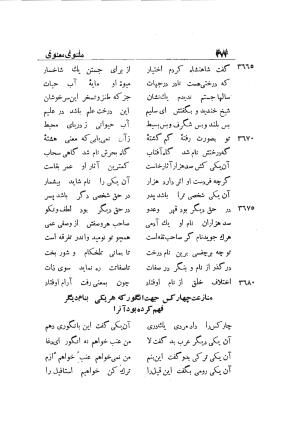
Source: Masnavi, Book II, verses 3681–3692 in Nicholson numbering. The narrative opening is in 3681–3684; the later conflict and conditional mediator are part of the source context.
چار کس را داد مردی یک درم
آن یکی گفت این به انگوری دهم
Original couplet II:3681. Working literal gloss: a man gave four people a coin; one said he would spend it on grapes. This gloss is separate from the child adaptation and awaits human review.
The original wording and verse numbering were checked against the cited sources during preparation. The English child story is newly written by Daneshkhana and is not a published translation. No modern published translation, narration or illustration has been copied into the activity.
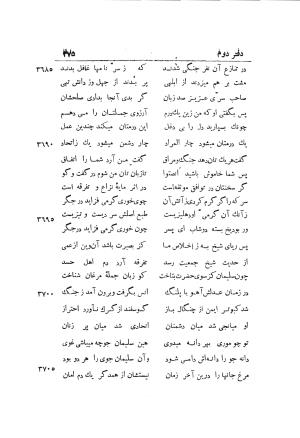
Ganjoor’s automated explanations and reader comments were not used as evidence. Daneshkhana keeps separate source notes documenting the omitted material and the meaning shift introduced by this educational adaptation.
Private by design.
Only completed-step markers can stay in this browser. Answers, names, scores, story order and timestamps are not saved. There is no response form or recording.